

50 Albums (No Order Nor Apologies), Part I
Personal canon > objective truth.

Last year, I wrote a little something-something about an album or so a week. Like most self-respecting aging hipsters, sometimes it seems as if I only listen to jazz and the Dead these days, so it was nice to revisit many of these.
Not necessarily a top 50, but albums that at least one time or another, meant the world to me. Here’s the list. Apologies for using a lot of the same words and phrases over and over and over again.
The Beta Band, Hot Shots II: Where their initial outings were dense, anarchist explorations of everything, Hot Shots II is a polished, meditative and cohesive sonic journey of ambient synths, trip-hop percussion, sampled strings, acoustic guitars and occasional soarings into carefully-crafted rock. Its hypnotic rhythms, layered instrumentation and emotional resonance are perfect for cold, winter nights.
Yo La Tengo, I Can Hear the Heart Beating as One: This album is everything: the upbeat indie rock of “Sugar Cube,” the sampledelia-jazz of “Moby Octopad,” the slow-core “Autumn Sweater,” the charming chamber pop of “One PM Again,” the dead-pan shoegaze cover of The Beach Boys, the sincere cover of Anita Bryant. That it all fits together is a wonder.
Chet Baker, Chet Baker Sings: Baker’s trumpet solos complement his singing, weaving in and out of the melodies with a lyrical quality that mirrors the tone of his vocals, his voice smooth, delicate, vulnerable, conversational, haunting. Late-evening listening, best accompanied with bourbon.
Le Tigre (self-titled): I was a bit young for Bikini Kill, so this was my introduction to Kathleen Hannah. First time I heard “Deceptacon,” it felt like a lightning bolt to both my senses and my sensibilities. Effortlessly cool, sample-laden new wave/punk record that will get you dancing more than any other radically political album I can think of.
Modest Mouse, The Moon & Antarctica: Two isolated, cold, lonely places. As introspective as it is sad as it is funny. These lyrics meant everything to me in high school and admittedly still do.
Various Artists, The Rocky Horror Picture Show: ‘50s rock & doo-wop turned batshit, gender-bending, sci-fi-infused camp-glam that has never lost its wild, rebellious charm.
De La Soul, 3 Feet High and Rising: My now and likely forever all-time favorite hip-hop record. Admittedly there is some filler: if you subtracted say, three songs and replaced with some of its great B-Sides, I’d find it perfect. Still, I can’t think of too many albums that make me as happy as this one.
Belle & Sebastian, If You’re Feeling Sinister: A timeless chamber pop record, Stuart Murdoch’s conspiratorial vocals tell stories of tragicomic dreamers, misfits and lost souls. Its songs of isolation, identity, and quiet rebellion still feels like secrets being whispered just for me.
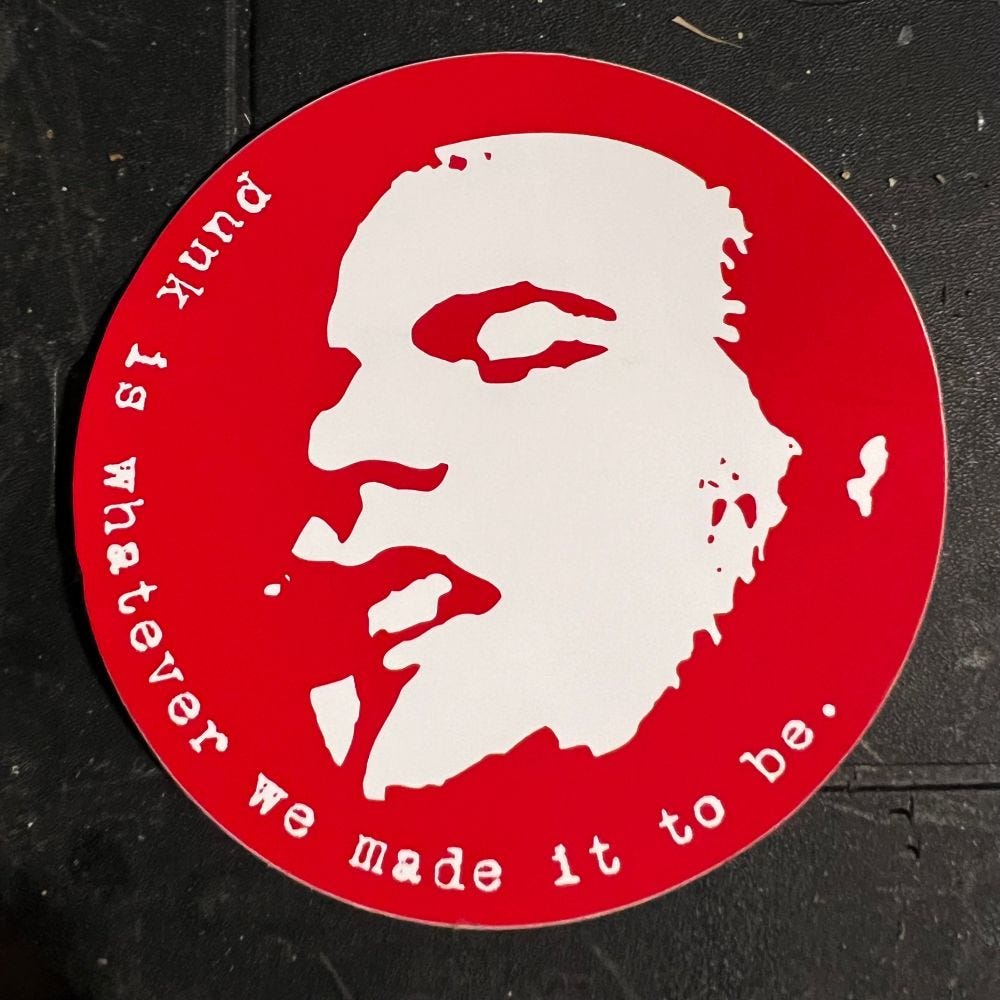
Minutemen, Double Nickels on the Dime: Punk’s White Album. A full-throttle rejection of anything that isn’t good times with good friends. Watt’s melodic bass doesn’t just anchor the rhythm; it propels the songs with urgent, restless energy, effortlessly shifting between funk grooves, jazzy runs and raw aggression. Locked in with Hurley’s drumming, he creates the perfect foundation for the late, great D. Boon’s rambles and howls and dancing guitarlines. Stickers of Boon later read, “Punk is whatever we made it to be.” Words to live by.
Prince, 1999: Masterpiece. “Delirious,” “All the Critics Love U in New York,” “Little Red Corvette” and a title track that warns of impending doom—“Mommy, why does everybody have a bomb?”—yet urges listeners to dance and enjoy life while they can. I concur.
Built to Spill, There’s Nothing Wrong with Love: Not as sprawling or epic as their later work, this is Doug Martsch at both his most earnest and melodic, wistful, weird, charming, and bursting with youthful longing and quirky storytelling, all while retaining Martsch’s signature warbly vocals and intricate guitar work.
Nirvana, Unplugged in New York: Cobain’s vulnerability comes through every note, offering a poignant glimpse into a troubled soul. It’s not just a concert; it’s a farewell letter, as sad and beautiful and haunting as one that’s ever been written.
The Replacements, Tim: Watching their SNL performance (in rerun, admittedly) was life changing. Messy and deeply human; a raw, bittersweet transition from punk to alt-rock, the back half some of Westerberg’s best ballads and anthems.
Grateful Dead, American Beauty: Evokes peace and nostalgia and a subtle optimism, the kind that makes you appreciate the moment without demanding anything from it. Perfect for a day such as today.
Broken Social Scene, You Forgot It in People: Chaos by design. Anthems not only for seventeen year-old girls, but also the misfits and dreamers.
Violent Femmes (self-titled): Rough and ragged busking applied to angsty teenage punk. It’s awkward, desperate, funny, stupid, and unforgettable. An album that feels very much alive over 40 years after its release.
The Flaming Lips, The Soft Bulletin: Euphoric songs that feel both intimate and cosmic. Wayne Coyne’s vulnerable vocals, paired with lyrics that explore mortality, love, and resilience, celebrate the fragile beauty of being human, insisting that joy and connection are always possible.
The Beach Boys, Pet Sounds: Is there a more perfect pop song than “God Only Knows?” Is there a more perfect pop record?
The Smiths, The Smiths: Sad songs for truly last dances. Melancholic, literate, sardonic and almost defiantly romantic. A moody, poetic cornerstone of indie rock.
Sonic Youth, Daydream Nation: Where punk met the avant garde, and shaped alternative rock in the process. Its influence was seismic, inspiring a generation of musicians to embrace raw texture, abstraction, and a sense of defiant creativity. Also: it rocks.
The Rolling Stones, Sticky Fingers: Exile, sure, but this stone-cold classic is the embodiment of The Stones, however problematic. Sticky Fingers is a swaggering rock classic, fusing bluesy riffs with raw attitude. “Can’t You Hear Me Knocking” stretches into a hypnotic jam, “Bitch” delivers tight, brassy aggression, while ballads like “Wild Horses” and “Moonlight Mile” reveal surprising tenderness beneath the debauchery and bravado.
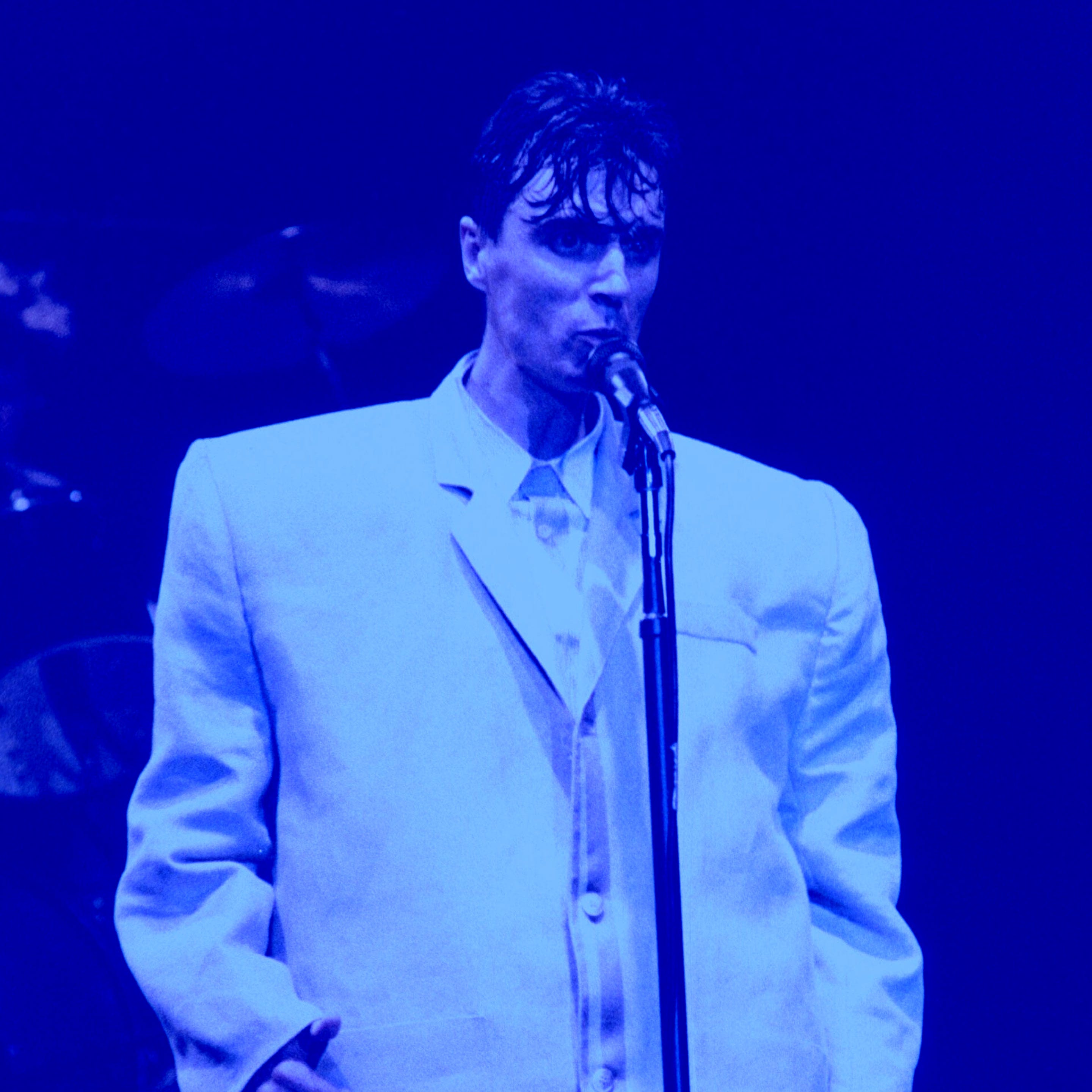
Talking Heads, Stop Making Sense: A kinetic, transcendent document of a brilliant band at their creative peak. It’s funky, cerebral, and wildly alive. David Byrne’s jittery charisma meets airtight musicianship, with tracks like “Once in a Lifetime” and “Girlfriend Is Better” radiating urgency. The sound is cleaner and more propulsive than the studio versions, driven by layered rhythms and pure performance energy. An argument for live music as ritual, spectacle, and communal release
The Strokes, Is This It, Room On Fire: Along with The White Stripes, The Strokes were a full-blown cultural reset. Their authenticity was often a subject of debate, but seeing Last Nite for the first time was revelatory: I was watching a band I had always wanted to exist. Is This It sounded like the ’70s reborn: raw, loose, and effortlessly cool, channeling the Velvet Underground and Television while not really sounding like either. This band is literally an all-time favorite based almost solely on these two records.
Fiona Apple, The Idler Wheel…: This week I was drawn back to this raw, percussive, and emotionally unfiltered masterpiece. Stripped down to mostly voice, piano, unconventional rhythms and found sounds, the record eschews lush production in favor of intimate intensity. Apple’s lyrics are fierce, vulnerable, and startlingly poetic. Songs like “Every Single Night” and “Werewolf” dissect relationships and neuroses with surgical precision, while “Daredevil” and “Regret” feel like outbursts from deep within the psyche. It’s an uncompromising work that challenges listeners to meet Apple where she is: in chaos, in love, in fear, and in motion. “Nothing wrong when a song ends in a minor key…”
Please consider a subscription, only $25 for the entire year until my birthday, March 2nd.