

The Joy of Seeing It First
What it meant to encounter five films in the theater.

“To see good films and to see important films is one of the most profoundly civilizing experiences that we can have as people.” —Roger Ebert
There’s a certain kind of movie memory that, as the kids say, hits different. Not just what you saw, but when you saw it. First-run screenings of movies that didn’t quite land, or that slipped through theaters before anyone realized what they were.
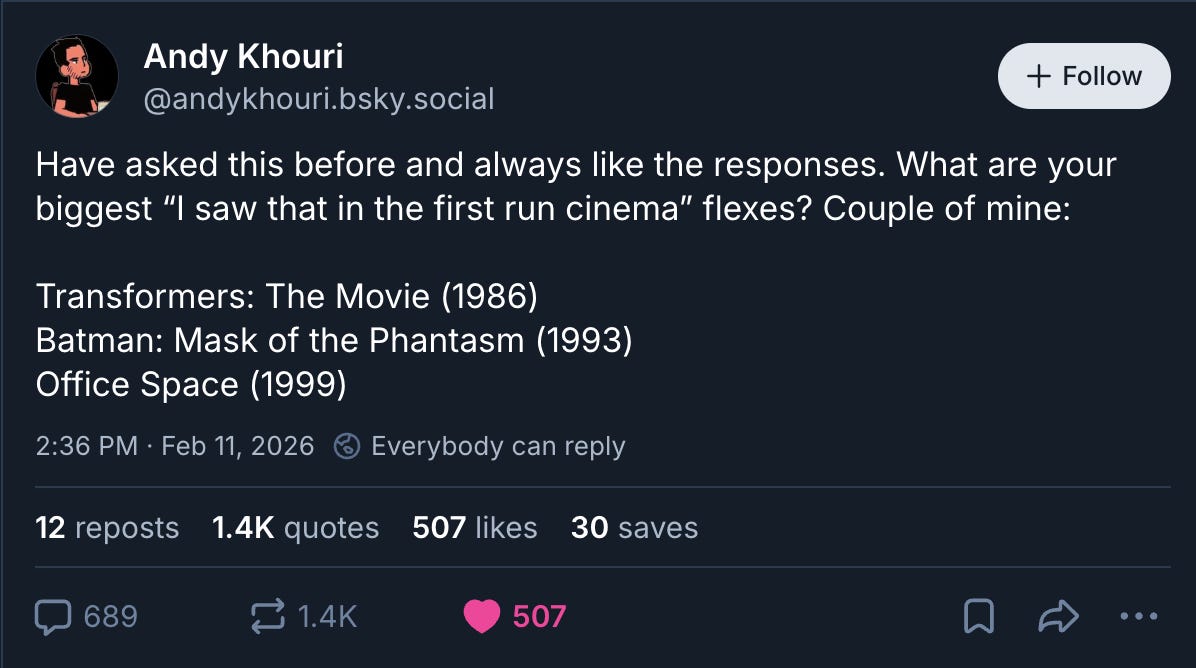
Or at least that’s how they feel in hindsight. That’s the kind of flex this question is getting at. Not box office dominance, but being early to something that would eventually find its people.
The flex is rarity, but also context. It’s sitting in a half-full theater1, not entirely sure what you’re about to watch, and realizing, in real time, that you’re seeing something that might be misunderstood, ignored, or, in the best case, become exactly as big as it should.
That’s why something like Office Space works as an example. It wasn’t a theatrical phenomenon. But if you saw it then, you saw it before it became shorthand for an entire generation’s relationship with work.
Watching something in a theater isn’t just about scale or sound or darkness. It’s about surrendering control. You can’t pause or rewind. You’re stuck with whatever happens, at the pace it happens, surrounded by strangers having the same experience, but not the same reaction.
When you see a movie in a theater, you’re not just consuming it. You’re participating in a temporary community. Laughter lands harder because it’s shared. Silence feels heavier because you can sense other people thinking. Scary shit seems scarier. Even boredom has weight. You notice time in a way you don’t at home.2
That inevitability is what gives movies their power. Not just what happens on screen, but the fact that, for a few hours, you agreed to let it happen to you.
Not sure these five films are my biggest “I saw it in the theater” flexes, but they do stand out. Each blew me away and played a part in making movies, without question, my biggest passion.
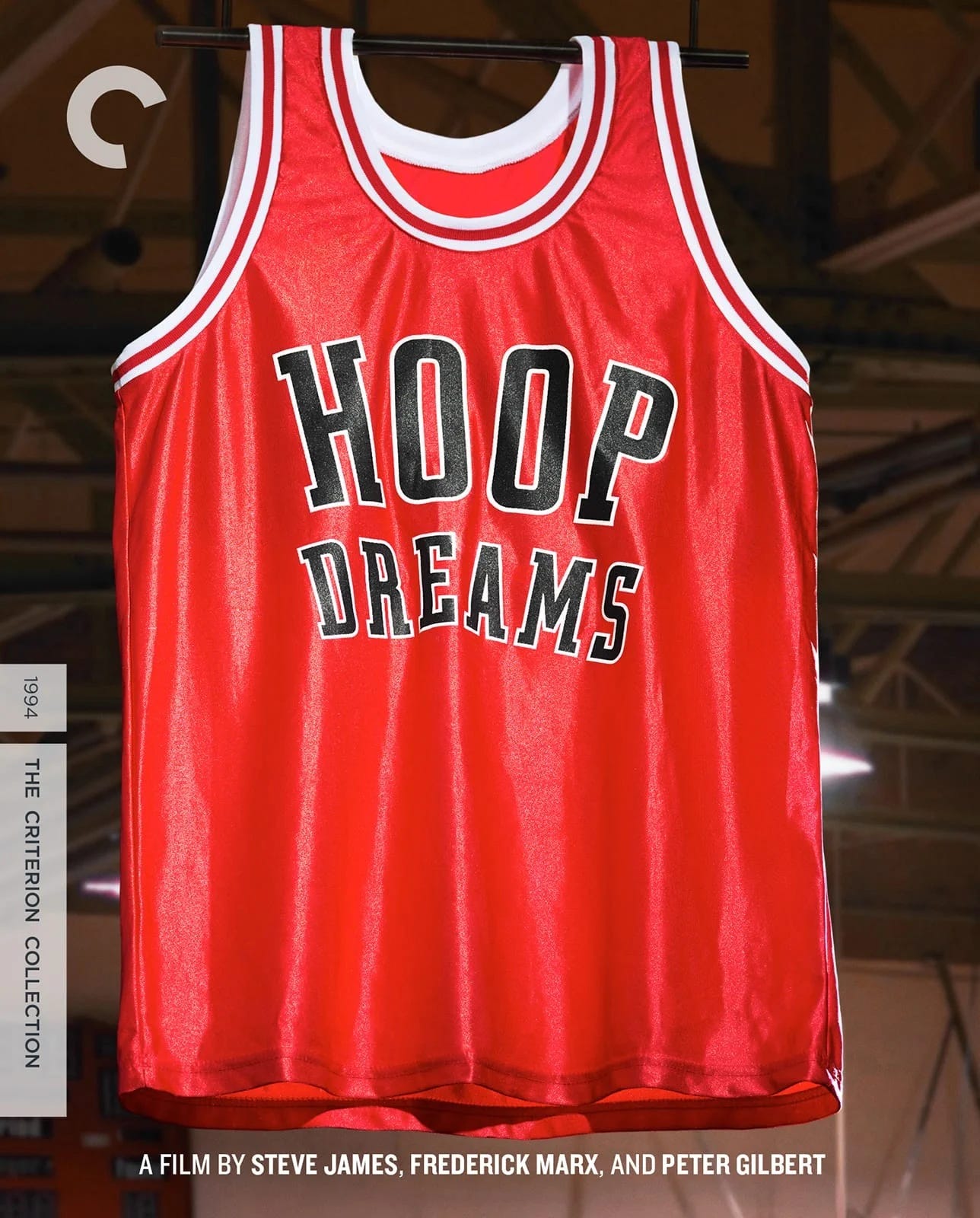
Hoop Dreams (1994)
It’s easy for me to say that the late ’90s and early 2000s were actually incredible years for movies. I worked at a theater through most of high school and college, and a majority of my most memorable theatrical experiences are tethered to that. Not just what they were, but where I was when I saw them.
Before that, though, a 12-year-old Luke talked his mom and stepdad into seeing Hoop Dreams. Basketball consumed an unhealthy amount of my attention at the time, and all I knew was that this was a movie about basketball. How did I discover it? My best guess is Siskel and Ebert. Basketball would end up being the least important part. It’s really about access, expectation, and how difficult it is to sustain a dream that depends on so many things outside your control. It just unfolded, patiently, until you realized you were watching something that would quietly redefine what the form could do. Could I articulate that at 12? Of course not. But I loved it. It told a story that resonated with me, and continues to do so over thirty years later.
Rushmore (1998)
Between Hoop Dreams and working at the theater, thanks to late-night cable, the three movies that left huge impressions on me were Pulp Fiction, Clerks and Boogie Nights, cornerstones of my personality, writing style, and whatever I thought my artistic ambitions were supposed to be. They felt different from everything else I was watching, like they belonged to a much, much more interesting world that I wanted full access to.
Rushmore felt like it might be part of that same world. I remember the trailer showing up on MTV, which at the time was as good a signal as anything that something was at least adjacent to a culture I was desperate to identify with. It had a kind of low-key confidence, a sense of humor that didn’t explain itself, and Bill Murray, a childhood hero due to Ghostbusters. It felt precise in a way I hadn’t seen before, like every line and gesture mattered, and the tone never wavered, even when it probably should have, while also pushing me towards ‘60s garage rock and the French New Wave. Wes Anderson, along with Quentin Tarantino, Kevin Smith,3 and Paul Thomas Anderson became my guys.
1999 was unreal: you had the first Star Wars since the original trilogy. The first Kubrick in 12 years. The Sixth Sense, a semi-horror film attached to no IP from a second-time director became a word-of-mouth sensation that became the second biggest film of the year. The Matrix changed action movies for at least the next decade. Before the market became saturated with superheroes and sequels and reboots, thanks in large part to a rare overlap of studio risk and emerging independent voices. Filmmakers were given room to experiment, and audiences were still willing to meet them halfway. The result was a run of films that were ambitious, strange, and commercially viable, before franchises and algorithms narrowed what studios were willing to support.
The Blair Witch Project (1999)
The other big horror surprise that year was The Blair Witch Project. It cost a couple hundred thousand dollars and and hinged on an agreement that three actors would pretend they’d gone missing. It would go on to gross over $248 million.
Prior to a film’s release, the staff at the theater would watch them the night before, after work. Late night, mostly empty, just whoever had stuck around. It made everything feel even more intense, more alive.
Partway through, the second reel ran backwards. It only lasted a few moments, but it was enough to make the whole thing feel even more disorienting than it already was. By the time it was fixed, no one was entirely sure what they had just seen, or if the mistake had somehow made it more effective.
When the film ended, we walked out into an empty theater, then out into the parking lot, the night quieter than it should have been. It felt like leaving something unfinished.
The marketing for The Blair Witch Project is legendary. I remember going home and reading the film’s website, which presented everything as if it were real. At the time, that wasn’t a gimmick you immediately questioned. Or maybe you did, but proving it was another story. It felt plausible enough, or at least not impossible. For a brief moment, the uncertainty held.
(At this time I also saw Being John Malkovich, Fight Club and my what’s probably my favorite film, Magnolia. Again, incredible year for film4.)
Memento (2000)
I flat-out couldn’t believe what I’d just seen. Went back and saw it again the next day. Memento made structure the story itself, forcing you to think alongside it, turning confusion into engagement and memory itself into the central mystery. Everyone who bought stock back then in Christopher Nolan made millions.
Mulholland Drive (2001)
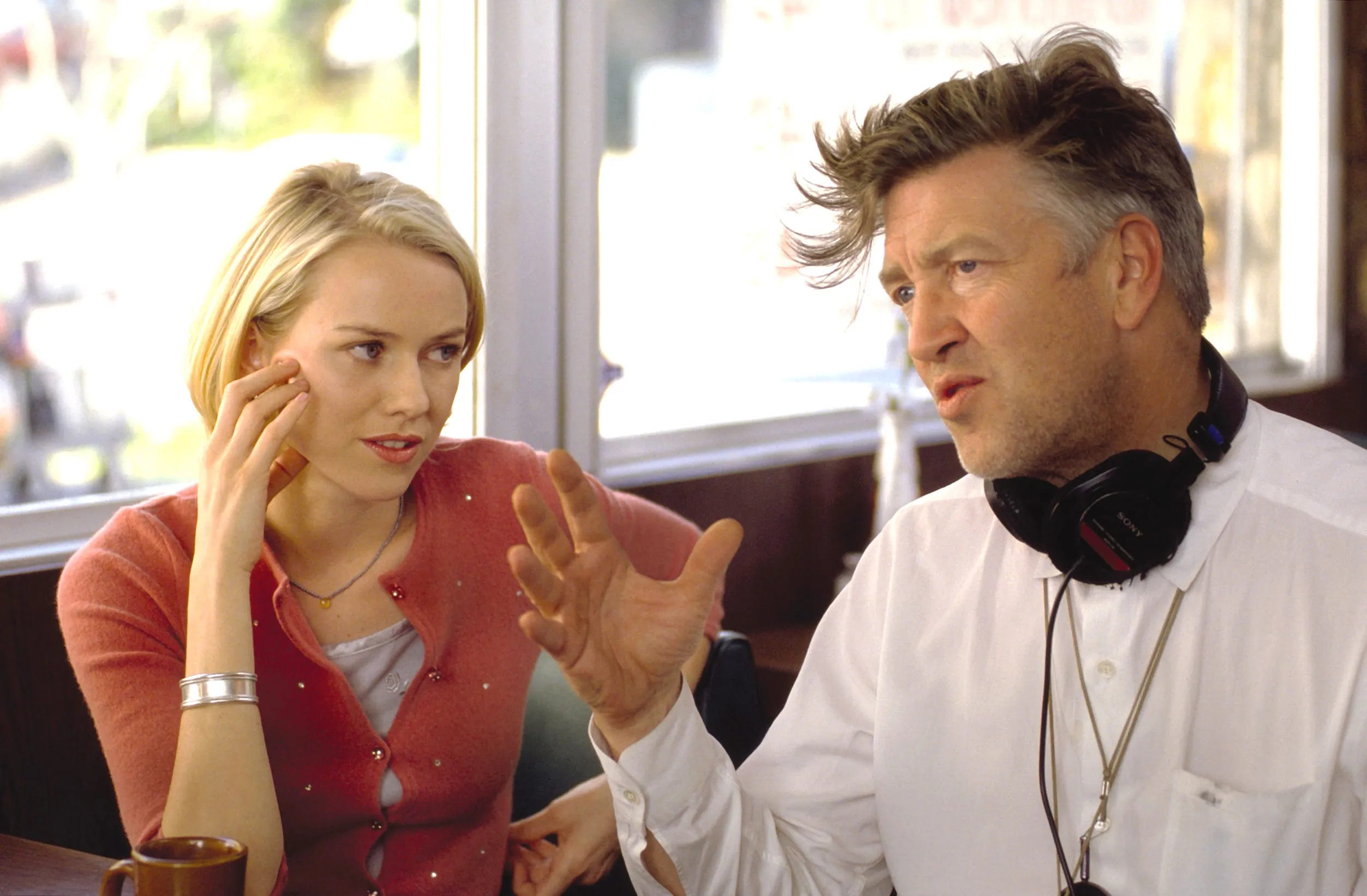
Friday, November 2, 2001. My old, and still close, friend Josh Lam and I got to Chicago early to see Stephen Malkmus at The Vic. We had a few hours to kill and ended up wandering into a small theater showing only Mulholland Drive.
I was already a Lynch fan, but this was the first time I’d seen his work on the big screen, and it felt immediately different. Not just bigger, but more immersive, like you couldn’t step outside of it. The sound, the pacing, the way scenes seemed to stretch just past comfort. It didn’t feel like something you were watching so much as something you were sitting inside of.
Even knowing Lynch, nothing really prepares you for Mulholland Drive. Scenes didn’t just unsettle, they destabilized meaning itself. Moments that felt grounded would suddenly slip into something else entirely, without explanation or warning. You couldn’t decode it in the moment, and eventually you stopped trying. You just had to sit there and let it happen, accepting that understanding wasn’t really the point. There’s an argument that it is the best film this century has produced thus far, and the fact I saw it in the the theater almost by accident felt like a sort of cosmic luck.
And of course— Naomi Watts.
When it ended, we walked back out into the afternoon, the world feeling slightly off, like something had shifted just enough to notice. It didn’t resolve itself later, either. It just stayed with me, unfinished, which somehow felt right.
Seeing Steve Malkmus that night, it felt like the same idea in a different form. Pavement had always felt like something I’d found on my own, before it meant something more broadly. Not better because of that, but closer.
It’s not that seeing something early makes it better. It just means no one has told you what it is yet. And for a while, that feels like the same thing. It might not exactly be yours and yours alone, but it is yours.
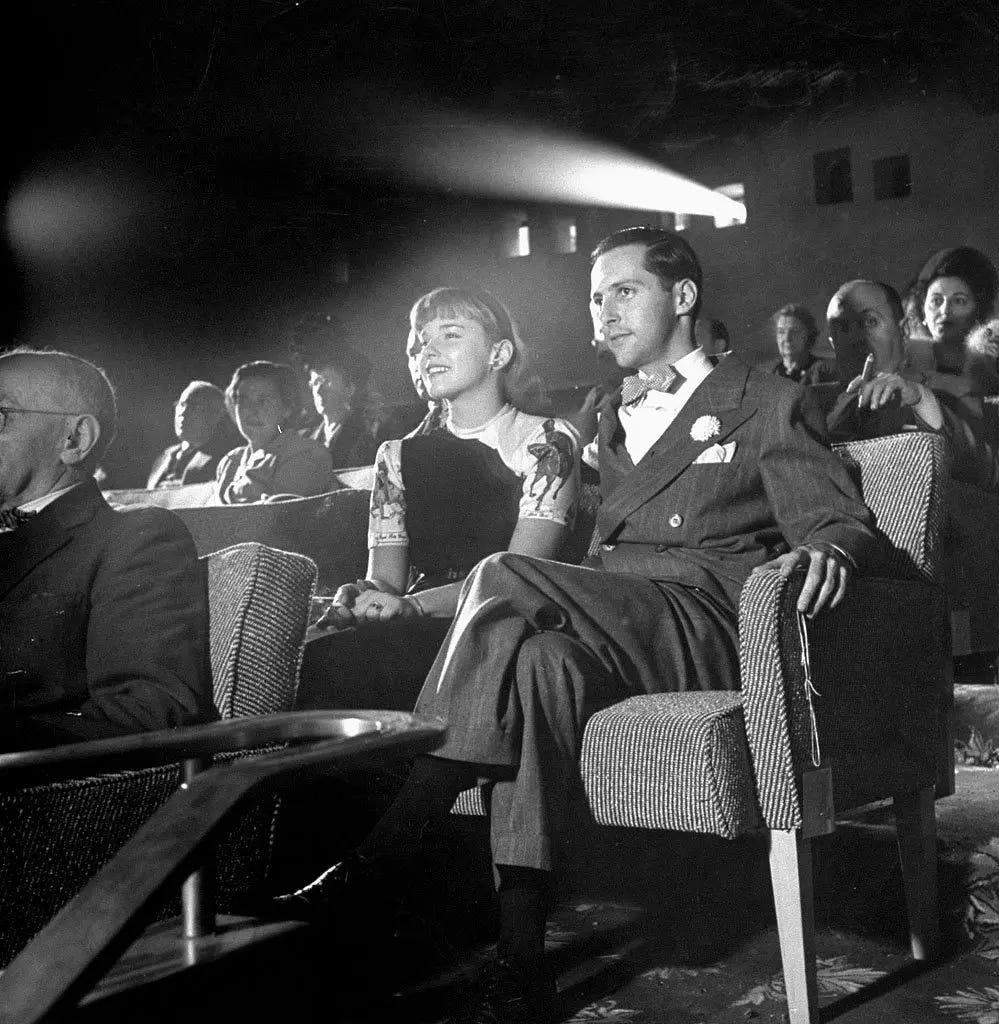
Park Avenue Theater in New York in 1946 (from The New York Times).
Please consider a paid subscription. For only $25 for the year, including the weekly occurrences, you’re supporting my work for about 22 cents per newsletter.
Or less. My friend and I were the only two people in our screening of Rushmore.
Also, theoretically, you won’t look at your phone. Get off your phone.
I checked out on Smith around Clerks II, but Clerks, Mallrats, Chasing Amy and Dogma meant everything to me then and to various degrees still.
Also: All About My Mother, American Movie, Election, Straight Story, The Talented Mr. Ripley, Three Kings, Toy Story 2, The Virgin Suicides and the aforementioned Office Space.
In 1995, 11yo Marvin went with his mom to work one Saturday, at Fairlane mall, where she managed a men's clothing store.
He begged for pocket money and went to go "sneak" into the PG-13 rated Hackers. (Little did I know how apropos this "sneaky" endeavor would be...)
Needless to say, that movie experience ended up being crucial developmental lore as I fell in love w/ Angelina, tech, and NYC... likely in that order.